
Insulation Company in Costa Mesa, CA
Blown in insulation is the most common fix we install in Costa Mesa, and the reason is simple: this city’s housing stock was largely built between the 1950s and 1970s, when attics were under-insulated by today’s standards and wall cavities were often left empty. Add Costa Mesa’s coastal fog belt to that equation, and you get a very specific problem: moisture-driven insulation failure, not just heat loss. Older stucco-on-wood-frame homes in 92626, 92627, and 92628 hold damp air against wall sheathing, and the wrong insulation choice makes it worse. Choosing the right material for each cavity matters more here than almost anywhere else in Orange County. If your rooms feel uneven, your bills climb every summer, or your garage ceiling shows water stains, call us at (855) 382-3925 and we’ll figure out what’s actually happening inside your walls.
Why Costa Mesa Homes Are Different
Costa Mesa sits close enough to the Pacific that the morning marine layer is a daily fact of life, especially in the older neighborhoods west of Harbor Boulevard and up toward the 92627 side of town. That damp air doesn’t just sit outside; it finds its way into attics, wall cavities, and garage ceilings. The result is a condensation problem that most insulation contractors never address because they’re focused on R-value alone. In a 1950s tract home with original paper-backed batts, that trapped moisture can rot the back of stucco sheathing and breed mold inside exterior walls.
The housing stock itself compounds the challenge. Many Costa Mesa homes have shallow stud bays, flat roofs, and vaulted ceilings that make insulation retrofit work genuinely difficult. The east side around 92626 has more standard construction, but the west side near 92627 and the 92628 area skews toward older mid-century duplexes and apartments with hard-to-reach cavities. A blown in insulation job in Costa Mesa is rarely a simple top-off; it’s a material-selection decision that has to account for vapor drive, existing moisture damage, and access constraints. We see fog-belt condensation in garage ceilings so often in 92627 that we treat it as a routine part of the assessment, not an exception.
Our Main Costa Mesa Services
Two services generate the most calls from Costa Mesa homeowners: attic insulation and spray foam. Each one solves a different version of the same underlying problem, and the right choice depends on your home’s construction era and which ZIP code you’re in.
Attic Insulation in Costa Mesa
Most Costa Mesa attics are under-insulated by a significant margin, and the original fiberglass batts installed in the 1960s and 70s have often compressed or shifted, leaving gaps that let conditioned air escape all year. The marine layer adds another layer of trouble: moist air drifts into vented attics every morning and settles into exposed insulation, reducing its effectiveness even further. An attic assessment here isn’t just about measuring depth; it’s about checking for moisture staining, mold on rafters, and whether the existing vapor barrier is doing more harm than good. If you want the full breakdown on attic work in this climate, visit our Attic Insulation in Costa Mesa page.
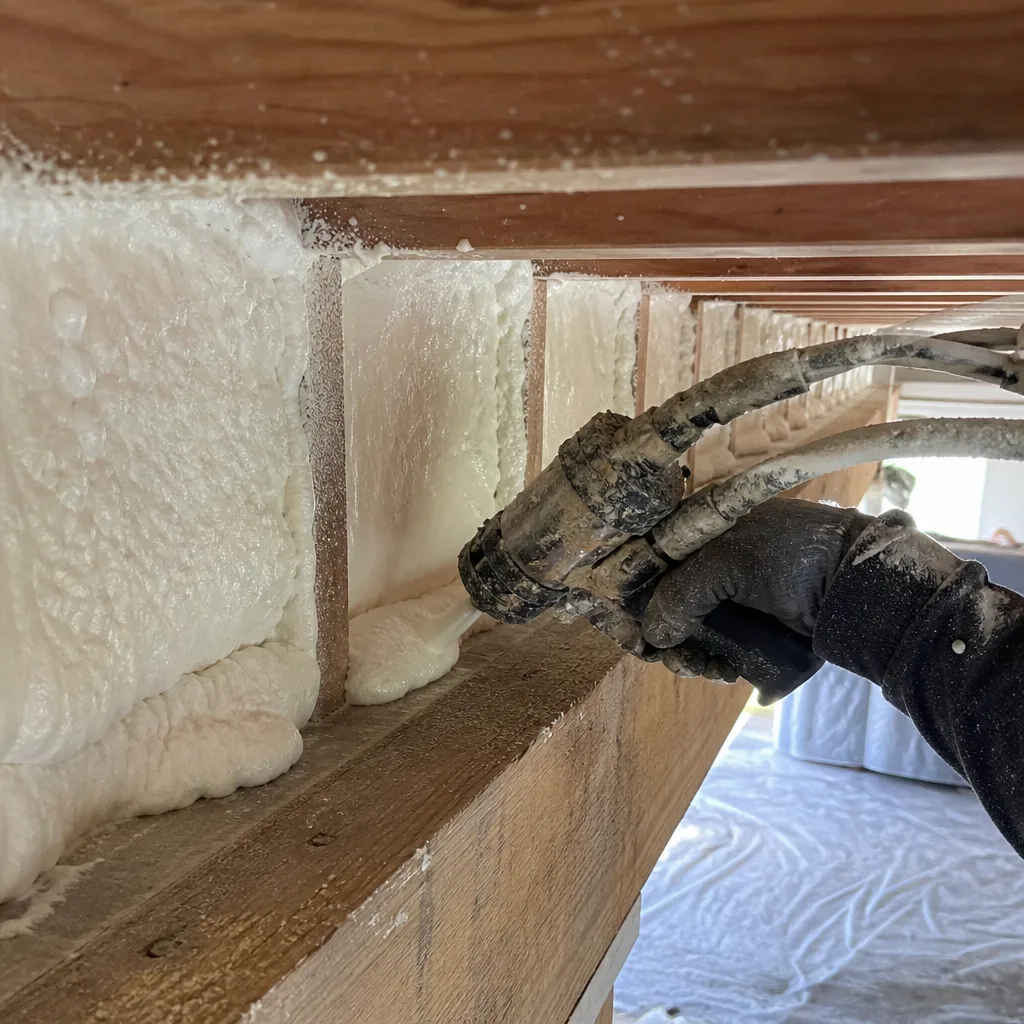
Spray Foam Insulation in Costa Mesa
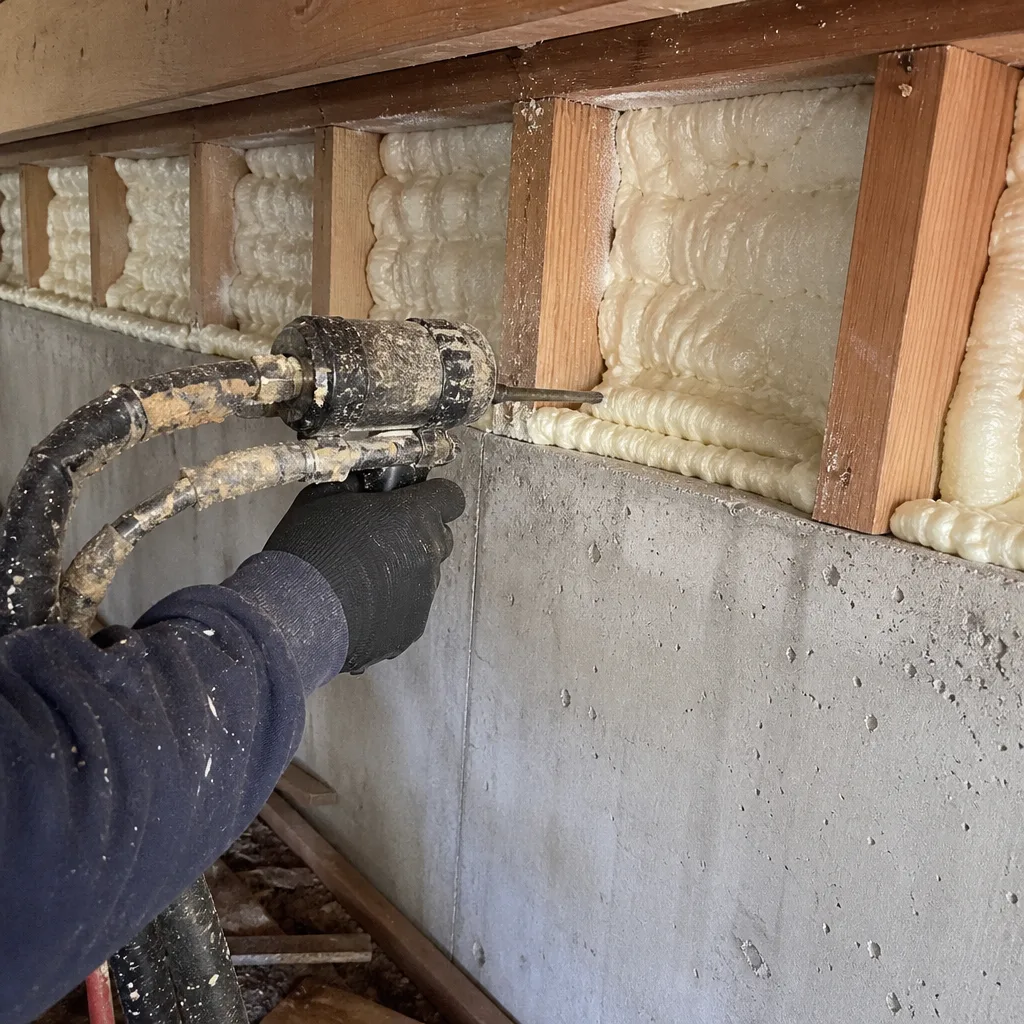
Spray foam earns its keep in Costa Mesa’s older stucco homes because it can seal air leaks and manage vapor in one pass. Closed-cell foam, applied to the underside of a roof deck or inside an exterior wall, creates an air and moisture barrier that fiberglass simply cannot match. That matters enormously in 92627, where damp air pushes against wall cavities for months at a time. Spray foam also handles the vaulted ceilings and flat roofs common in mid-century construction, where batts are nearly impossible to install well. Read the specifics on our Spray Foam Insulation in Costa Mesa page.
What happens when you call
- 1
A real person answersNo phone trees — you reach a local pro.
- 2
You get an upfront price rangeHonest numbers before anyone is dispatched.
- 3
A background-checked tech heads outLicensed & insured, dispatched right away.
- 4
You approve before work beginsNothing starts until you say go.
Blown In Insulation in Costa Mesa
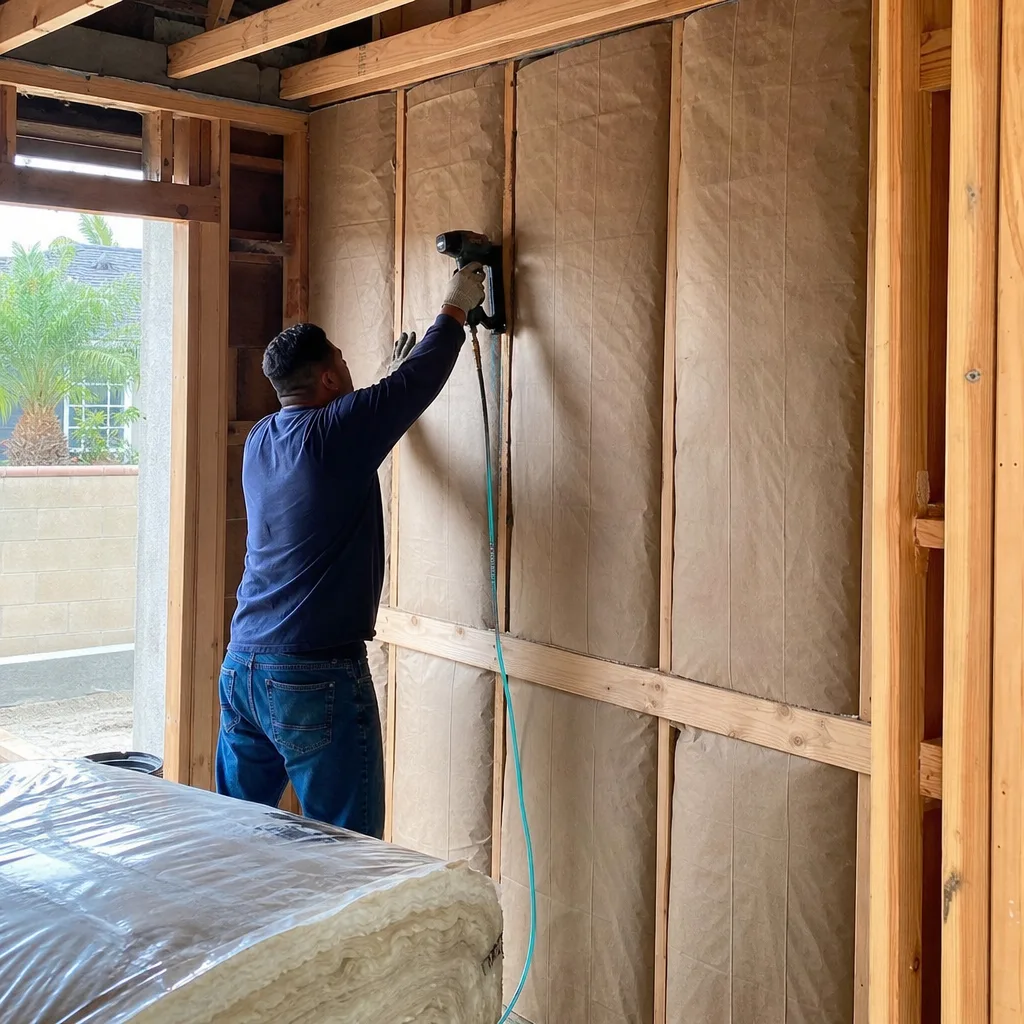
Blown in insulation is the workhorse solution for Costa Mesa’s older homes because it fills irregular cavities, reaches into corners where batts leave gaps, and can be installed quickly without tearing out walls. In 1950s and 60s stucco houses across 92627 and 92626, the original insulation is often thin, settled, or never installed at all, and blown in material corrects that without a full remodel. But the material choice matters: cellulose and fiberglass behave differently in this damp coastal air, and blowing in the wrong one can trap moisture against the back of stucco sheathing. That’s the exact failure we see on fog-belt homes near the coast. Our approach is to assess the cavity, check for existing condensation or mold, and match the material to the home rather than default to whatever is on sale. For a deeper look at the method itself, see our Blown In Insulation hub page.
Cellulose Insulation
Signs you need it
Your attic insulation is thin or settled below the top of the joists, or your heating and cooling bills spike every summer while rooms upstairs stay hot.
What it costs in Costa Mesa
Blown in cellulose insulation in Costa Mesa typically runs $1,200 to $3,800 for a standard attic, depending on square footage and existing insulation depth.
How we do it
We remove compromised material if moisture is present, seal any bypasses, then blow GreenFiber cellulose to a consistent depth that holds up against the marine layer.
Blown In Attic Insulation
Signs you need it
Rooms directly below the attic run noticeably warmer than the rest of the house, or you can see bare spots and gaps in the existing insulation from the attic hatch.
What it costs in Costa Mesa
A full blown in attic insulation job in Costa Mesa generally falls between $1,500 and $4,200, with partial top-offs starting lower.
How we do it
We air-seal the attic floor penetrations first, then blow insulation to an even depth across the entire attic, including the hard-to-reach edges where heat leaks most.
Blown In Cellulose Insulation
Signs you need it
Your existing insulation is dusty, settled, or shows dark staining, especially near eaves and exterior walls where the fog belt condensation accumulates.
What it costs in Costa Mesa
Blown in cellulose in Costa Mesa usually costs $1,200 to $3,800, with vaulted or flat-roof sections pushing toward the higher end.
How we do it
We dense-pack or loose-fill GreenFiber cellulose into the target cavities, watching for moisture intrusion points around the stucco and eaves as we go.
Loose Fill Insulation
Signs you need it
You have an older home with shallow stud bays or irregular framing where batts don’t fit cleanly, leaving voids in the thermal envelope.
What it costs in Costa Mesa
Loose fill insulation in Costa Mesa runs $1,200 to $3,500 for most attics, with material choice and access affecting the final number.
How we do it
We blow loose fill material into each cavity at the right density, adjusting between cellulose and fiberglass based on the moisture exposure of that specific area.
What Blown In Insulation Costs in Costa Mesa
| Item | Typical range in Costa Mesa |
|---|---|
| Cellulose attic insulation (standard attic) | $1,200 – $3,800 |
| Blown in attic insulation (full job) | $1,500 – $4,200 |
| Loose fill insulation (per project) | $1,200 – $3,500 |
How long does blown in insulation last in Costa Mesa’s damp climate?
Cellulose and fiberglass both last 20 to 30 years when installed correctly, but in Costa Mesa the real variable is moisture. Fog-belt condensation can degrade insulation early if vapor issues aren’t addressed, so we check for moisture intrusion before and during installation.
Can you install blown in insulation in a flat roof home?
Yes. Flat roof homes in Costa Mesa are common, and blown in insulation often works well there because it fills the irregular cavities and shallow bays that batts can’t handle. The approach varies by roof assembly, so we evaluate each home before recommending a method.
Brands We Service in Costa Mesa
We work with GreenFiber cellulose for blown in applications, Icynene and Demilec for spray foam, and CertainTeed for fiberglass systems among our full eight-brand lineup. Our Costa Mesa installs typically use materials stocked locally across Southern California, so we can schedule most jobs within a week. See our brands for the full list and what each one does best.
Pricing for Insulation Company in Costa Mesa, CA
| Service | Typical range in Costa Mesa |
|---|---|
| Blown in cellulose insulation | $1,200 – $3,800 |
| Blown in attic insulation | $1,500 – $4,200 |
| Loose fill insulation | $1,200 – $3,500 |
What pushes a Costa Mesa job toward the high end is almost always access: flat roofs, vaulted ceilings, tight attic hatches, and shallow stud bays all add labor hours. The moisture assessment can also add scope if we find condensation damage or old insulation that needs removal before new material goes in. Every quote we give is a flat, upfront price for the whole job, including setup and cleanup, so you won’t see add-ons after the fact.
Neighborhoods We Serve in Costa Mesa
We work throughout Costa Mesa, from the older west-side tracts near 92627 to the newer developments in 92626 and the 92628 corridor. Our standard response time for estimates across the city is one to two business days, and we often schedule installation within a week of the initial assessment.
- Westside Costa Mesa (92627)
- Mesa Verde (92626)
- Eastside Costa Mesa (92627)
- College Park (92626)
- South Coast Metro area (92628)
Service Area – Cities Near Costa Mesa
Our work in Costa Mesa regularly takes us into neighboring cities, and we’re set up to handle the same coastal moisture challenges in each one. Homeowners in Newport Beach, CA deal with the same marine layer, while Fountain Valley, CA and Huntington Beach, CA have similar 1960s and 70s tract housing. Inland toward the hills, San Joaquin Hills, CA brings its own set of construction types and temperature swings.
Serving Costa Mesa, CA — Our Local Coverage Area
We’re based in the Costa Mesa area and know this community well. Use the map below to see our service coverage — if you’re nearby, we can almost certainly help.
FAQs About Insulation Company in Costa Mesa
We schedule estimates in Costa Mesa within one to two business days, and installations typically start within a week of the assessment. Same-week slots are often available for smaller blown in jobs. Call (855) 382-3925 and we’ll give you a real date, not a window.
For most attic and blown in insulation retrofits, Costa Mesa doesn’t require a permit when the work is limited to adding or replacing insulation. Jobs involving structural changes or spray foam against a roof deck can trigger different rules. We handle permit checks as part of the estimate so you never discover a requirement after the work starts.
Yes. Costa Mesa has a number of HOA-governed communities, particularly in the newer east-side developments and some 92628 condo complexes. We coordinate with property managers and follow any architectural requirements for visible work, though most insulation installs happen entirely inside the attic or walls.
What happens when you call
- 1A real person answersNo phone trees — talk to a local insulation pro.
- 2You get an upfront price rangeHonest numbers before anyone is dispatched. No surprises.
- 3A background-checked tech heads outLicensed & insured, typically within 60-minute.
- 4You approve before work beginsNothing starts until you say go.
What Costa Mesa Customers Say
"Plastic laid from the front door to the attic hatch and they vacuumed the hallway afterward."
— Jason Hoffman"Attic was at maybe R-11 from the 1970s and blown in over the top would have just buried the problem. They removed the old material, air sealed the top plates and penetrations first, then blew in to R-49. The upstairs is a completely different house in August."
— Colleen Vaughn"Work is good and the house is noticeably more comfortable. There was insulation debris left in the hall closet under the attic access that I had to clean up."
— Amanda Sullivan