
Emergency Attic Insulation Near Me: What Corona Homeowners Should Do First
If you’ve just discovered soaked, collapsed, or pest-destroyed attic insulation in your Corona home, the first call should be to your insurance company, and the second to a water or pest remediation specialist. The insulation contractor is actually your third call, because replacing insulation over an active leak or unaddressed infestation just buries the problem under fresh material. If you’d rather skip the guesswork, call Cozy Insulation Co at (855) 382-3925 and we’ll walk you through exactly what we’re seeing in Corona attics this year.
Your First Hour: The Sequence That Saves Your Corona Home
When attic insulation fails catastrophically, every hour matters, but not for the reason most homeowners think. In our experience across Corona, the damage multiplier isn’t the ruined insulation itself. It’s what that insulation was protecting: your HVAC system, your drywall, and your home’s framing. The correct response sequence looks like this:
- Document everything first. Take photos of the affected area from multiple angles. Open your latest three energy bills and note the usage trend. If your HVAC has been short-cycling or running longer than usual, write that down too. This documentation protects you when insurance adjusters ask what “pre-existing condition” means.
- Stop the active source. If there’s water, find where it’s entering. Corona’s summer monsoons and winter rains both hit attics hard, but so do failing AC condensate lines, which drip slowly for months before anyone notices. A roofer or HVAC tech can address either.
- Call a remediation specialist if you see mold, black staining, or smell mildew. Mold spreads through insulation fibers and drywall surfaces faster than most homeowners realize. You need containment and removal before anything else.
- Only then call an insulation contractor. Once the source is stopped and mold is addressed, replacement can happen without trapping moisture inside your new material.
We’ve watched Corona homeowners skip straight to step four and end up paying for insulation twice. The second time they called us after the mold bloomed through the new batts.
Is This an Emergency or a Performance Problem?
Attic insulation issues in Corona fall into two categories, and treating a performance problem like an emergency leads to unnecessary spending. Here’s the distinction:
Active threat: act immediately. You can see visible mold growth, water stains spreading across ceiling drywall, damp or sagging insulation, animal droppings throughout the attic floor, or you smell mildew when the AC kicks on. These mean your home is actively being damaged, and the damage compounds by the day. Corona’s summer heat accelerates mold growth in attics, where daytime temperatures routinely exceed 140°F. Call a remediation specialist today.
Performance problem: plan your project. Rooms run hot upstairs while downstairs stays comfortable. Energy bills climb every summer. You feel drafts near ceiling fixtures. Insulation looks thin, patchy, or settled. These are real problems worth fixing, but they don’t require a 24-hour response. You have time to research materials and get multiple quotes.
The soft spot in between? Insulation that got wet once and dried out. In Corona’s dry climate, a minor one-time leak might not cause mold. But compressed or water-stained insulation loses its thermal performance permanently. We’ve seen attics where a dried-out leak left R-30 batts performing like R-11, and the homeowner didn’t discover it until their August electric bill arrived.
Why Corona Summers Make “Emergency” a Real Word
Attics in Corona get brutally hot. Not “warm” – brutally hot. When insulation is missing, wet, or destroyed, that heat radiates downward into your living space and into your HVAC equipment. Here’s what happens mechanically:
- Your AC works harder. With degraded attic insulation, the cool air your system produces leaks into a 140°F attic and the hot attic air pushes down into your rooms. Your compressor runs longer cycles, consuming more electricity every single day.
- HVAC components age faster. Ductwork running through an uninsulated attic absorbs heat, which means the air reaching your vents is warmer than what left the unit. Your system compensates, and that compensation wears out fans, capacitors, and compressors ahead of schedule.
- Roof decking bows and warps. Prolonged heat exposure without insulation’s buffering effect causes wood to expand and contract repeatedly. Over time, this weakens the structure.
Every hour your Corona attic sits uninsulated or under-insulated during summer, your cooling system is taking on damage it wasn’t designed for. That’s why we treat missing insulation as a time-sensitive repair in July and August, not a cosmetic issue.
How to Vet a Contractor Who Shows Up Within 24 Hours
Emergency response speed is valuable, but only if the responder knows what they’re looking at. When a Corona homeowner calls us after an insulation emergency, we ask questions before we schedule anything. You should ask questions too. Here’s what separates a prepared insulation specialist from an opportunistic generalist:
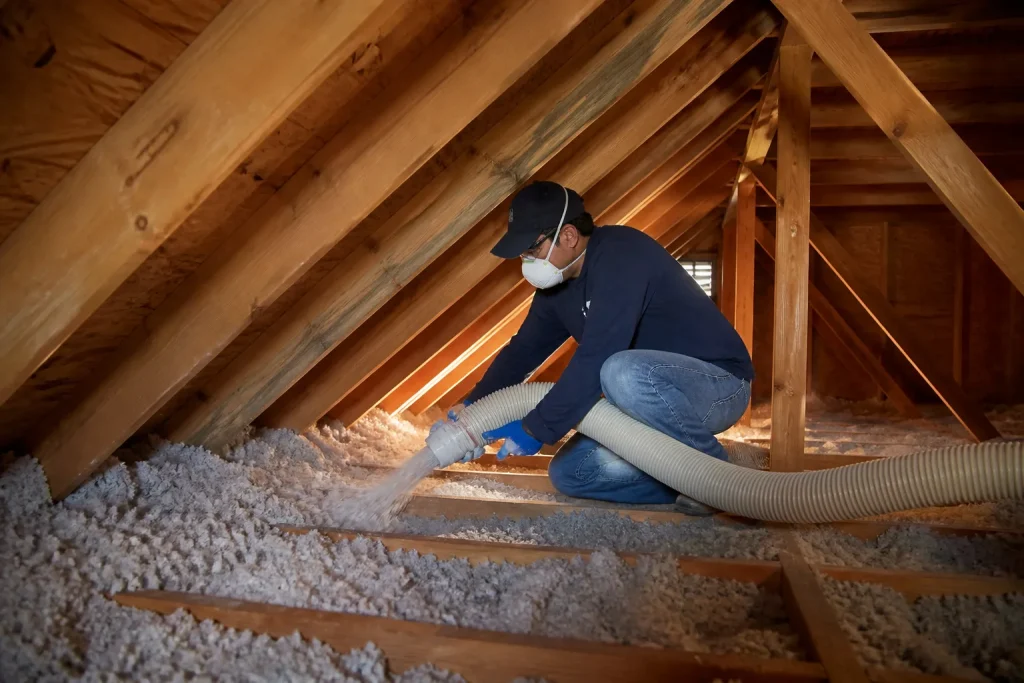
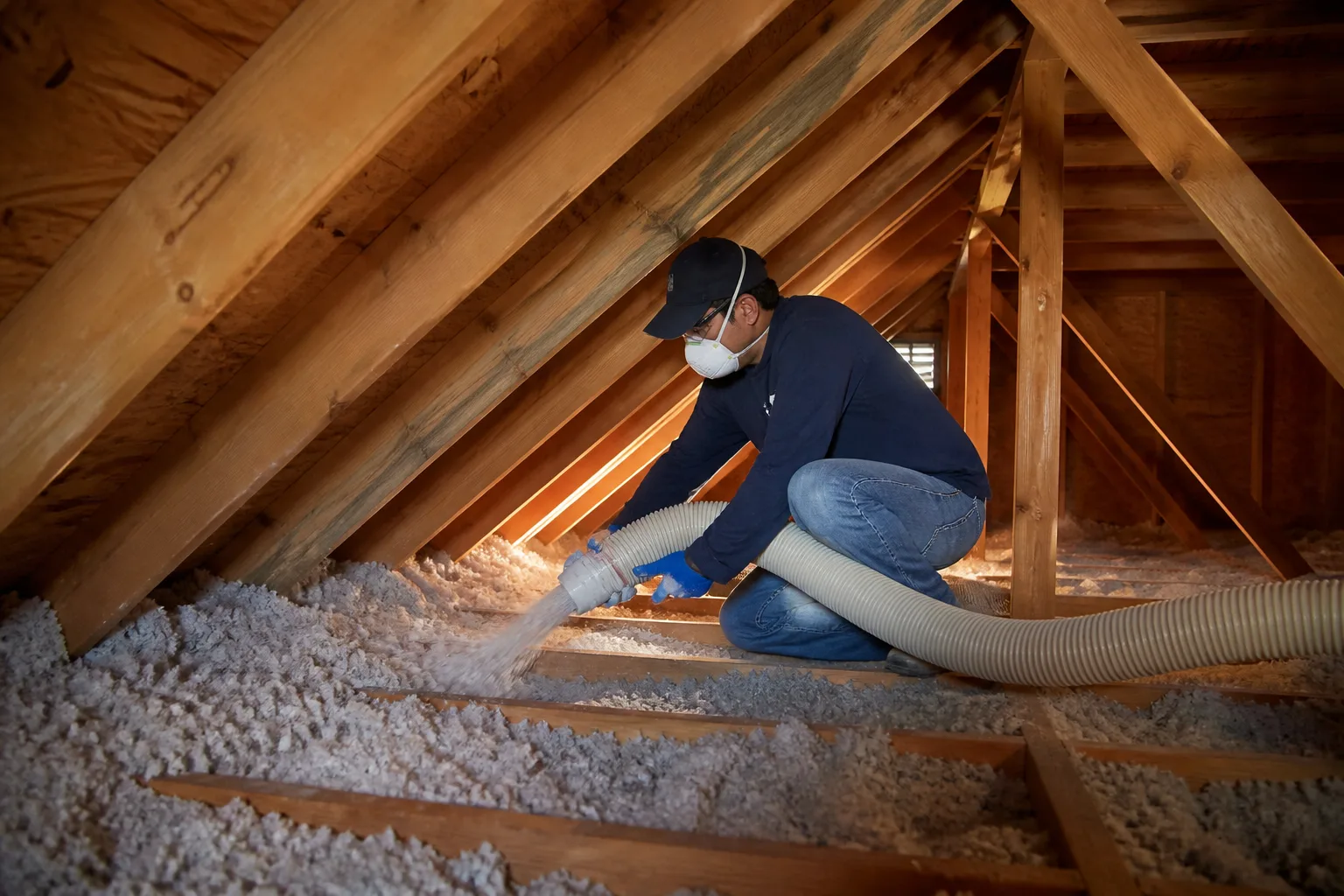
- “What insulation material do you recommend for my situation, and why?” A real specialist will explain the tradeoffs between fiberglass batts from Owens Corning or CertainTeed, open-cell spray foam from Icynene, or blown-in GreenFiber cellulose. If they only offer one material and can’t explain why it’s right for your home, they’re selling what they stock, not what you need.
- “How will you confirm the moisture issue is fully resolved before installing new insulation?” The correct answer involves moisture readings, not visual inspection. The wrong answer is “it looks dry to me.”
- “What’s your plan for the existing damaged material?” Complete removal is usually required when insulation is soaked or pest-contaminated. If a contractor proposes blowing new material over the damaged layer, walk away.
- “Do you handle all three methods – batts, spray foam, and blown-in – in-house?” This matters when your attic needs moisture-resistant closed-cell spray foam near the eaves but cost-effective GreenFiber cellulose in the main field. A contractor who only does fiberglass will sell you fiberglass everywhere, whether or not that’s the smart play.
We install products from eight manufacturers – Owens Corning, Johns Manville, Knauf, Rockwool, CertainTeed, Icynene, Demilec, and GreenFiber – because Corona homes vary enormously. A 1960s ranch in central Corona has different attic geometry than a new build in the foothills off Green River Road. The right material matches the house, not the contractor’s inventory.
What to Document Before Any Contractor Arrives
This step costs nothing and saves thousands. Before you call anyone, take these actions:
- Photograph the entire affected area. Use your phone’s flash. Shoot wide angles and close-ups. Include the insulation, the roof decking, any visible ductwork, and the attic floor.
- Photograph your ceilings directly below the affected area. Water travels. A soaked attic corner often shows water staining on the ceiling of a room you don’t check regularly.
- Note your HVAC behavior. Has it been running more than usual? Making new noises? Short-cycling? Write down what you’ve observed over the past month.
- Pull your last three energy bills. If Corona summers show a sudden, unexplained jump, that’s evidence your insulation failed months before you found the visible damage.
- Check for pest signs. Corona attics attract roof rats, especially in neighborhoods with mature citrus trees. Look for droppings, gnawed wires, and chewed insulation tunnels. Pest activity changes your remediation scope.
This documentation does two things. It protects you from under-scoped repair estimates that miss secondary damage, and it gives your insurance adjuster a clear picture of what happened and when. We’ve seen Corona homeowners recover significantly more from insurance simply because they documented the timeline.
If you’re still unsure whether your attic needs immediate attention or a planned project, we’re glad to talk it through. Our related services in Corona cover attic insulation, spray foam insulation, and blown-in insulation – but we’ll tell you honestly if what you need first is a roofer, a pest company, or a mold specialist.
The Bottom Line
An attic insulation emergency in Corona is rarely just an insulation problem. It’s a moisture problem, a pest problem, or a heat-damage problem that destroyed your insulation’s performance and is now working on the rest of your home. Handle the source first, document everything, and only then bring in an insulation specialist who can match the right material to your specific attic. If you’re in Corona and need help, Cozy Insulation Co offers free estimates – call (855) 382-3925 and we’ll help you figure out whether you need us today, next month, or someone else entirely this week.
Frequently Asked Questions
Attic insulation replacement in Corona typically ranges from $1,800 to $6,500 depending on attic size, material choice, and whether the existing insulation needs complete removal. Blown-in cellulose and fiberglass batts sit at the lower end, while closed-cell spray foam from brands like Icynene and Demilec commands a premium because it adds moisture resistance and air sealing. Emergency or same-week scheduling may add to the cost. Call (855) 382-3925 for an exact quote on your Corona home – estimates are free.
You can replace dry fiberglass batts yourself if the moisture source is confirmed stopped and no mold is present, but most Corona homeowners should not DIY this repair. Water-damaged insulation requires complete removal, which means proper PPE, disposal at an approved facility, and careful inspection of the structural wood and electrical wiring underneath. If mold is present, handling it improperly spreads spores through your entire home. This is the point where a professional earns their fee.
Cozy Insulation Co prioritizes emergency response for Corona homeowners with active moisture damage, pest infestations, or complete insulation failure during summer heat waves. We typically respond to emergency calls within one business day and can schedule on-site assessments the same week. For an exact timeframe, call (855) 382-3925 and tell us what you’re seeing in your attic.
Homeowners insurance often covers insulation replacement when the damage resulted from a covered peril, such as a roof leak from storm damage or a fire. It rarely covers gradual wear, pest damage, or maintenance-related failures like a leaking AC condensate line that went unnoticed. The documentation you collect before filing a claim – photos, energy bills, and a written timeline – typically determines the outcome. Call your insurer first, then call us at (855) 382-3925 once you know what your claim covers.
Written by the team at Cozy Insulation Co, serving Corona since 2011.
Need Insulation Help?
Call Cozy Insulation Co — licensed & insured, here with fast after-hours help in Corona.
(855) 382-3925