
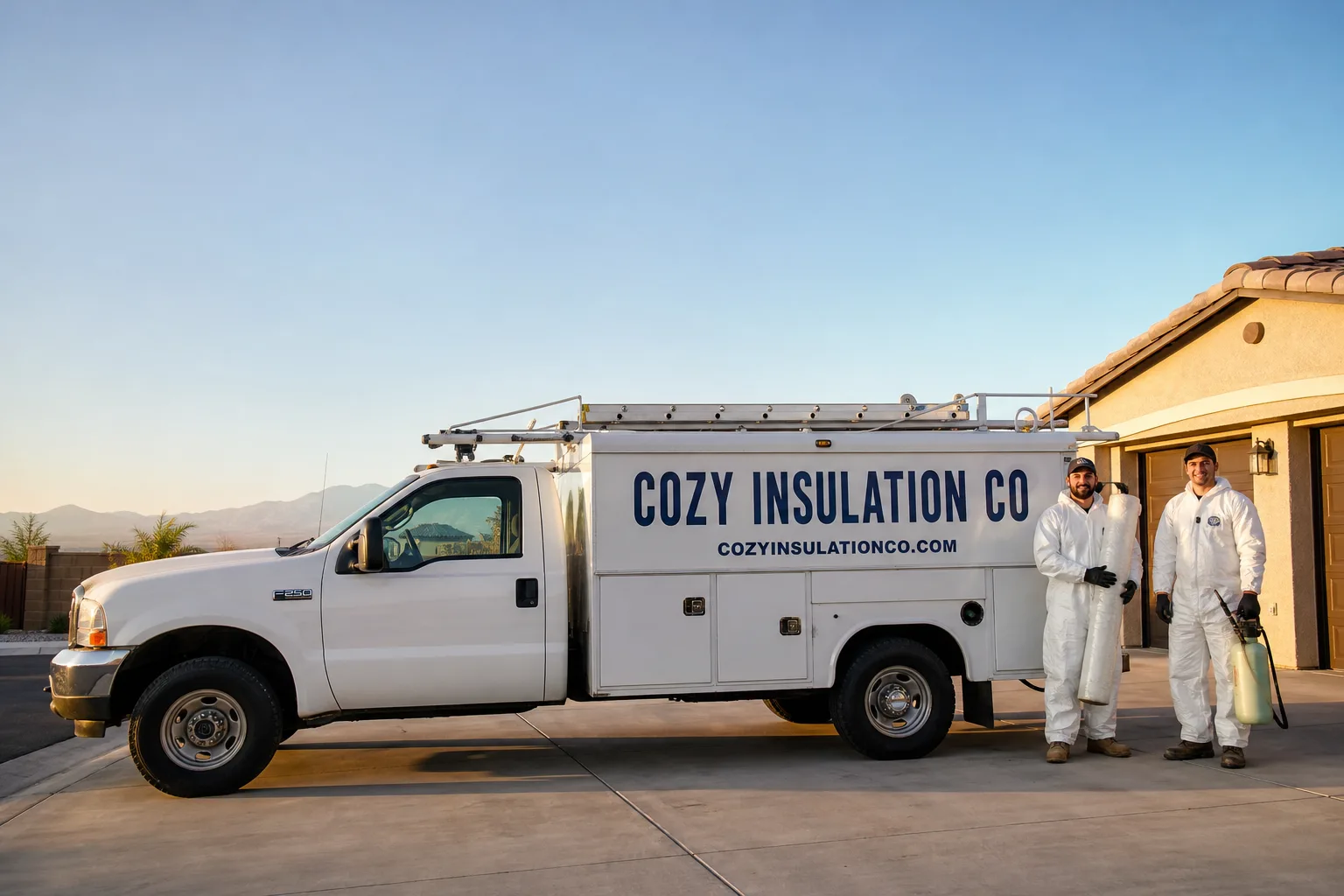
Fast, Reliable Attic Insulation Across Redondo Beach
Attic insulation in Redondo Beach works differently than it does ten miles inland. Our marine layer means fog, salt air, and damp that seeps into attics year-round, so the real job here isn’t just adding R-value. It’s managing moisture so your insulation actually does what you paid for. We’re Cozy Insulation Co, led by Mike Callahan, and we’ve spent years matching beach-side homes in 90277 and 90278 with insulation that holds up to coastal conditions. Call us at (855) 382-3925 and we’ll tell you honestly what your attic needs, whether that’s a full replacement, a top-up, or ventilation work first.
Why Cozy Insulation Co Is Redondo Beach’s Preferred Attic Insulation Company
Most insulation contractors in the South Bay sell fiberglass batts and move on. That approach fails in Redondo Beach. We see it every week: attics off Catalina Avenue and along the Esplanade where moisture has turned year-old insulation into a damp, moldy mat. The problem is rarely the material alone. It’s the missing vapor control, the sealed gable vent, the soffit someone covered during a re-roof. We fix the system, not just the symptom.
Our crew knows Redondo Beach’s housing stock by neighborhood. The 1950s stucco bungalows in 90277 have shallow attics and original venting that hasn’t been touched in decades. The 1970s and 80s condos near King Harbor and the marina have HOA rules, shared walls, and party-wall fire-blocking that a generic insulation crew won’t think about. The newer hilltop rebuilds above Pacific Coast Highway need a completely different approach. One company, three distinct installation methods, and a material portfolio spanning eight brands means we match the solution to the home, not the other way around.
From blown-in cellulose to closed-cell spray foam, we’re not married to one product line. That matters here. A bungalow three blocks from the water might need GreenFiber cellulose with aggressive ventilation. A sealed condo might need open-cell spray foam from Icynene or Demilec. We’ll tell you which and why.
Attic Ventilation in Redondo Beach
Attic Ventilation in Redondo Beach is the first thing we evaluate on almost every job, because a ventilated attic is what keeps marine-layer moisture from destroying whatever insulation you install. Coastal fog pushes damp air into attic spaces through ridge vents, gable vents, and any gap in the sheathing. If that air can’t move, it condenses on decking and framing, and your insulation becomes a sponge.
What We Check First
On a typical Redondo Beach attic inspection, we’re looking at intake and exhaust balance. Older bungalows in 90277 often have soffit vents that were painted over or packed with old insulation. Gable vents get sealed during re-roofs when a roofer doesn’t want to deal with them. Without proper intake, exhaust vents pull air from the living space instead, which drags conditioned air out and pulls damp crawlspace air in. We restore the vent path before we touch insulation.
Baffles, Air-Sealing, and the Vapor Path
When we install baffles along eave lines, we’re protecting the vent channel so blown-in insulation can’t clog it. We also air-seal the attic floor: around recessed lights, bathroom fan housings, top plates, and any plumbing or electrical penetrations. In Redondo Beach’s damp air, those unsealed gaps don’t just leak heat, they leak humid indoor air into the attic where it condenses. Sealing them is step one. Ventilation is step two. Insulation is step three.
A typical attic ventilation service in Redondo Beach runs $400 to $900 depending on whether we’re adding baffles, repairing soffit vents, or installing a powered exhaust. On larger attics where we’re cutting new vent openings, expect $1,100 to $1,800. It’s the least glamorous part of the job and the most important.
Radiant Barrier in Redondo Beach
Radiant Barrier in Redondo Beach serves a specific purpose here: it blocks radiant heat gain from the sun beating down on roof decking, which keeps attic air temperatures lower and reduces the load on your cooling system. But coastal installation requires care, because the same salt-laden fog that corrodes everything else in this city will eat through standard foil facings if they’re not properly installed and ventilated.
Where Radiant Barrier Actually Helps in the South Bay
Redondo Beach isn’t Palm Springs. We don’t get the brutal summer heat of the inland valleys, but roofs still bake under direct sun, especially on those clear “June gloom burned off by noon” days. A radiant barrier stapled to the underside of roof rafters reflects much of that heat before it radiates into the attic, so your ductwork and insulation aren’t fighting a 120-degree attic. Homes with air handlers in the attic, common in 1970s and 80s condo layouts near King Harbor, benefit the most.
What Corrosion Does and What We Do About It
Salt fog off Santa Monica Bay drifts through attics in the beach flats and settles on foil facings, staples, and fasteners. We’ve pulled radiant barriers in 90277 where every staple had rusted through and the foil had delaminated into flakes. That’s why we spec corrosion-resistant staples and double-check ventilation before we install. A radiant barrier in a poorly ventilated Redondo Beach attic just becomes a condensation surface. It needs airflow to work.
Radiant barrier installation in Redondo Beach typically runs $900 to $1,600 for a standard attic. If the attic needs soffit vent repair or new baffles first, which is common here, you’re looking at $1,500 to $2,500 all-in. We’ll show you photos of what’s in your attic before we recommend anything.
Trusted Brands We Service in Redondo Beach
We install products from eight manufacturers, but for Redondo Beach attics we spec heavily from GreenFiber, Icynene, and Demilec depending on the situation. GreenFiber cellulose works well in older bungalows where we’re air-sealing and adding ventilation, because it’s dense enough to stay put and it dries out properly once the vent path is restored. For sealed attics and tight spaces where moisture control demands an air-tight assembly, we turn to Icynene or Demilec spray foam, which gives you insulation and a vapor barrier in one application. We keep stocked material staged for Redondo Beach jobs so we’re not waiting on a warehouse when your attic is already torn apart.
Common Attic Insulation Problems We See in Redondo Beach Homes
- Saturated batts from sealed or blocked vents. In 1950s flats bungalows along Catalina Avenue and Prospect Avenue, original gable and soffit vents got sealed during re-roofs, and the result is fiberglass batts that feel like wet laundry. The insulation isn’t thermally dead yet, but it’s growing mold against the decking and needs to come out.
- Rusted fasteners and delaminated radiant barrier. Salt-laden fog works its way into beach-adjacent attics and eats staples, baling wire, and foil facings. We see barriers that are only a few years old flaking apart because the wrong staples were used or the attic lacks proper airflow.
- Condo retrofits with no vent path. The 1970s and 80s complexes near King Harbor and the marina often have party-wall fire-blocking, HOA roof restrictions, and no practical way to add soffit intake. Blowing new insulation into one of these without addressing ventilation just creates a sealed, damp box that grows mold inside six months.
- Shallow attics in post-war stucco bungalows. The original roof pitch on many 90277 bungalows leaves a low-clearance attic with poor access. Getting even R-38 up there requires careful planning, dense-packed cellulose, and sometimes baffled knee-wall work rather than a quick batt lay-down.
Pricing for Attic Insulation in Redondo Beach, CA
A full attic insulation replacement in Redondo Beach runs $1,800 to $3,500 for a typical 1,200-to-1,800-square-foot bungalow or townhome, including debris removal of the old material. Blown-in attic insulation top-ups cost $900 to $1,700 when the existing insulation is dry and intact but below current recommended depth. Attic batt insulation for new construction or open attics runs $1,200 to $2,400. Seal-and-insulate packages, where we air-seal the attic floor, restore ventilation, and blow in GreenFiber, typically land between $2,200 and $4,200 depending on attic size and access difficulty. Every estimate includes photos of your attic and a written scope. Call (855) 382-3925 for a free, no-pressure estimate.
We Also Serve Cities Near Redondo Beach
Our crews cover the South Bay and beach cities throughout the region. We work regularly in Hermosa Beach, Palos Verdes Estates, Manhattan Beach, and Marina del Rey, so if you’re just down the road or on the other side of the harbor, that’s our territory too. For full details on our Attic Insulation services or to see how we handle Attic Insulation in Redondo Beach specifically, browse those pages or call us.
Serving Redondo Beach, CA — Our Local Coverage Area
We’re based in the Redondo Beach area and know this community well. Use the map below to see our service coverage — if you’re nearby, we can almost certainly help.
FAQs About Attic Insulation in Redondo Beach
Insulation in Redondo Beach fails from moisture because the marine layer keeps attics damp for months at a time, and older homes here often have blocked or undersized ventilation that traps that moisture against the decking. Heat loss is secondary; mold and condensation are what kill the insulation first. If your attic insulation is wet or moldy, it needs removal, not a top-up. Call (855) 382-3925 and we’ll assess it for free.
Damp attic decking in a 1950s Redondo Beach bungalow is common but not normal, and it means something in your vent path has failed or was sealed off, usually during a past re-roof. The fix is restoring intake and exhaust ventilation before or alongside insulating. Ignoring it means any new insulation you install will soak up that same moisture.
Yes, and harbor-area condo associations in Redondo Beach often have rules about roof assemblies, shared attic spaces, and party-wall fire-blocking that restrict what you can install and how. We’ve worked with many HOAs along the marina and King Harbor area, so we can help you understand what your association will approve and spec materials that meet their requirements. Call us and we’ll talk through what you’re dealing with.
Salt air corrodes attic hardware, staples, and foil-facings faster in Redondo Beach than almost anywhere else in Los Angeles County. We see rusted staples and delaminated radiant barrier in beach-side homes that are only a few years old. That’s why we use corrosion-resistant fasteners and confirm proper ventilation before installing any barrier, so you’re not paying twice.
In most Redondo Beach homes, yes. If your attic has blocked soffit vents, sealed gable vents, or no clear intake-to-exhaust path, new insulation will trap the marine-layer moisture that already exists up there. We won’t install insulation over a ventilation problem, because that’s how attics grow mold and decking rots. Call (855) 382-3925 for a free inspection.
On that 1950s stucco bungalow off Catalina Avenue, our crew pulled saturated fiberglass batts from an attic where the decking was damp to the touch and the gable vents had been sealed during an old re-roof. We installed baffled eave-to-ridge ventilation, replaced the failing vapor path, and blew in GreenFiber behind a proper air-seal so the new insulation could dry rather than soak. That’s the kind of work Redondo Beach attics actually need. If your attic feels off, or your bills are creeping up, or you’ve noticed a musty smell from the ceiling, call us at (855) 382-3925. Mike and the whole Cozy Insulation Co team will take a look and tell you straight.
Written by Mike Callahan, Owner at Cozy Insulation Co, serving Redondo Beach and the South Bay since the company’s founding.